
Is COAR Stock Real? Full Guide to COAR Crypto


Is COAR Stock Real?
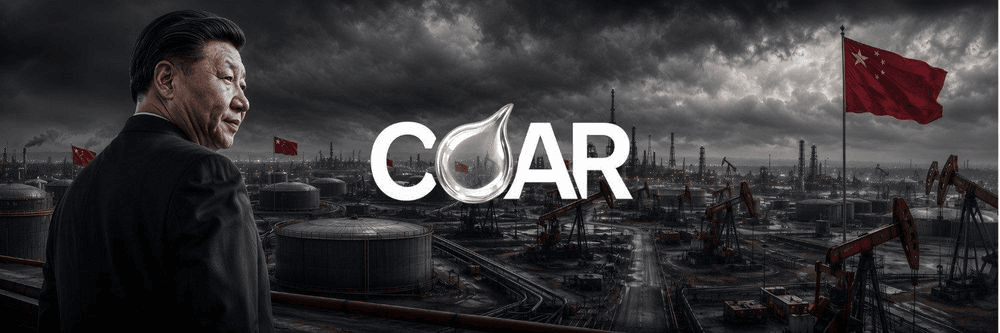
What Is COAR?
| Feature | COAR Token | Real Stock (e.g., Exxon, Chevron) |
| Asset type | Cryptocurrency | Equity security |
| Trading venue | Crypto DEXs (Jupiter, Raydium) | NYSE, Nasdaq, regulated exchanges |
| Regulatory oversight | Minimal (varies by jurisdiction) | SEC, FINRA, strict disclosure rules |
| Shareholder rights | None (unless explicitly coded) | Voting rights, dividends, legal protections |
| Backing | Narrative / speculation | Company assets, revenue, earnings |
Why Are People Confusing COAR With a Stock?
- The name. Words like "reserve," "asset," and "oil" are deeply connected to traditional finance and sovereign investment systems. Combined with the ticker-style abbreviation COAR, the token appears similar to an energy sector stock at first glance.
- The ticker format. COAR looks like a stock ticker. Most people associate three-to-five letter all-caps codes with publicly traded companies.
- The oil narrative. In 2025 and 2026, tokenized commodities became one of the market's most discussed sectors. That broader trend makes projects like COAR easier to misinterpret as regulated commodity products.
- Social media speculation. Posts discussing "buying COAR" often fail to clarify whether users are referring to a cryptocurrency or a stock market security. The ambiguity spreads.
Does COAR Represent Real Oil Assets?
- Speculative digital assets with no legal claim to underlying commodities
- Regulated equity securities with shareholder rights, financial disclosures, and regulator oversight
What Investors Should Know Before Buying COAR
| Check | Why It Matters |
| Trading venue | Is it a reputable DEX with liquidity? |
| Contract address | Always verify on Solscan or DexScreener |
| Liquidity depth | Thin pools = high slippage, difficult exits |
| Holder distribution | Concentrated wallets = dump risk |
| Team transparency | Anonymous teams = higher risk |
Conclusion
FAQ
Is COAR listed on the stock market?
What does COAR stand for?
Is COAR backed by real oil reserves?
You may also like
What Is USA Rare Earth (USAR)?
What is USAR crypto? USA Rare Earth is a Nasdaq-listed rare earth stock, not a meme coin. Mine-to-magnet supply chain. Read the full guide.

What is EOS Crypto? Why Is Eastern Oil Supply (EOS) Getting Attention?
What is EOS crypto? Eastern Oil Supply is a Solana meme token, not the original blockchain. No oil backing. Read risks before trading.
What is MEOR Crypto?
What is MEOR crypto? Solana meme token with Middle Eastern oil branding. No oil backing. No government ties. Read risks before trading.

WEEX TradFi Spot Challenge 2026: Share $100,000 – How to Join & Win Big
WEEX TradFi Spot Challenge 2026: Share $100,000. Trade eligible tokens daily, earn mystery boxes, streak rewards & leaderboard prizes. Ends May 25.
Mom Trust Fund Reserve ($MTFR) Price Prediction: Will Satirical Solana Meme Coin Rebound in May 2026?
Get the latest Mom Trust Fund Reserve ($MTFR) price prediction for May 2026 and beyond. Explore our detailed technical analysis, support and resistance levels, and key risk assessments for this satirical Solana meme coin to help guide your trading strategy.
How High Can COAR Crypto Go in May 2026?
OSOR Coin Price 2026: Prediction and Price Analysis
OSOR crypto price prediction 2026: Bullish, base, and bearish scenarios. No oil backing. Just on-chain data. Read before trading the Saudi narrative token.
Gold & Silver 0% Fees? WEEX Just Dropped Trading Costs to Zero
WEEX 0% fees on gold, silver, crude oil & stock futures. PAXG, XAUT, NVDA, TSLA, MSTR & more. Offer ends May 31, 2026. Trade now.
What is Gensyn (AIGENSYN)?
What is Gensyn? AI infrastructure for machine learning compute, not a meme token. Learn $AI tokenomics, buy-and-burn mechanism, and unlock risks.

What is MBAPEPE Crypto? Is MBAPEPE Really Connected to Kylian Mbappé?
What is MBAPEPE Coin? Solana meme token blending Mbappé hype with Pepe culture. No official link. Learn tokenomics, risks, and how to buy MBAPEPE crypto.

What Is COAR Crypto? Chinese Oil Themed Meme Coin Explained
What is COAR crypto? Solana meme coin with 2% burn, no presale, and revoked mint authority. Learn how to buy COAR crypto and the risks before trading.
What is COAR Crypto? How to Buy Chinese Oil Asset Reserve (COAR) Coin 2026?
How to buy COAR crypto? Step-by-step guide, tokenomics breakdown, and safety checklist. Learn what is COAR before trading this Solana meme token.

What is COSF Crypto? Chinese Oil Strategic Fund (COSF) Price Prediction 2026
What is Chinese Oil Strategic Fund (COSF)? 2026 price prediction, risks, and realistic scenarios. See if this COSF crypto meme token can 2x or fade to zero.
What is Fidelity Oil United Reserve (FOUR) Crypto? FOUR Crypto Price Prediction 2026
What is Fidelity Oil United Reserve (FOUR)? 2026 price prediction, risks, and realistic scenarios. See if this FOUR crypto meme token can 10x or fade to zero.
What is OSOR Coin? A Trader’s Guide to the Saudi Oil Reserve Hype
OSOR token trades on hype, not crude. We analyze the Official Saudi Oil Reserve crypto narrative, on-chain risks, and why this Solana meme token tracks USOR.
What is Official Bridge Currency (OBC)?
What is OBC token? We analyze the Official Bridge Currency use case, Solana speed, XRP bridge hype, and real market potential. Read the honest OBC crypto price prediction inside.
What is United States Equalizer Movement (USEM) Coin and How to Buy USEM Crypto?
Discover what United States Equalizer Movement (USEM) is—a Solana meme coin blending patriotism, economic fairness, and crypto speculation. Learn USEM’s tokenomics, how to buy it, safety risks, and whether this political-themed token can build a lasting community. A must-read for meme coin traders and Solana investors.

World Collective Oil Reserve (WCOR) Price Prediction 2026-2045: Expert Insights
WCOR (World Collective Oil Reserve) is a Solana-based cryptocurrency token that promotes an “oil reserve + real-world asset (RWA) narrative.” However, there is no public evidence that it is actually backed by physical oil assets. It is essentially a highly speculative, narrative-driven token. Its current market cap is around $14 million, with relatively low liquidity and high volatility, and its price is mainly driven by market sentiment and hype. Most analyses suggest limited short-term upside, with a possible gradual increase to around $0.02 by 2030. Overall, it is considered a high-risk crypto asset driven more by narrative speculation than fundamentals.
What Is USA Rare Earth (USAR)?
What is USAR crypto? USA Rare Earth is a Nasdaq-listed rare earth stock, not a meme coin. Mine-to-magnet supply chain. Read the full guide.
What is EOS Crypto? Why Is Eastern Oil Supply (EOS) Getting Attention?
What is EOS crypto? Eastern Oil Supply is a Solana meme token, not the original blockchain. No oil backing. Read risks before trading.
What is MEOR Crypto?
What is MEOR crypto? Solana meme token with Middle Eastern oil branding. No oil backing. No government ties. Read risks before trading.
WEEX TradFi Spot Challenge 2026: Share $100,000 – How to Join & Win Big
WEEX TradFi Spot Challenge 2026: Share $100,000. Trade eligible tokens daily, earn mystery boxes, streak rewards & leaderboard prizes. Ends May 25.
Mom Trust Fund Reserve ($MTFR) Price Prediction: Will Satirical Solana Meme Coin Rebound in May 2026?
Get the latest Mom Trust Fund Reserve ($MTFR) price prediction for May 2026 and beyond. Explore our detailed technical analysis, support and resistance levels, and key risk assessments for this satirical Solana meme coin to help guide your trading strategy.
How High Can COAR Crypto Go in May 2026?


