
PONS vs CASHCAT: Price Prediction and Robinhood Chain Growth Analysis

 Prefer us on Google


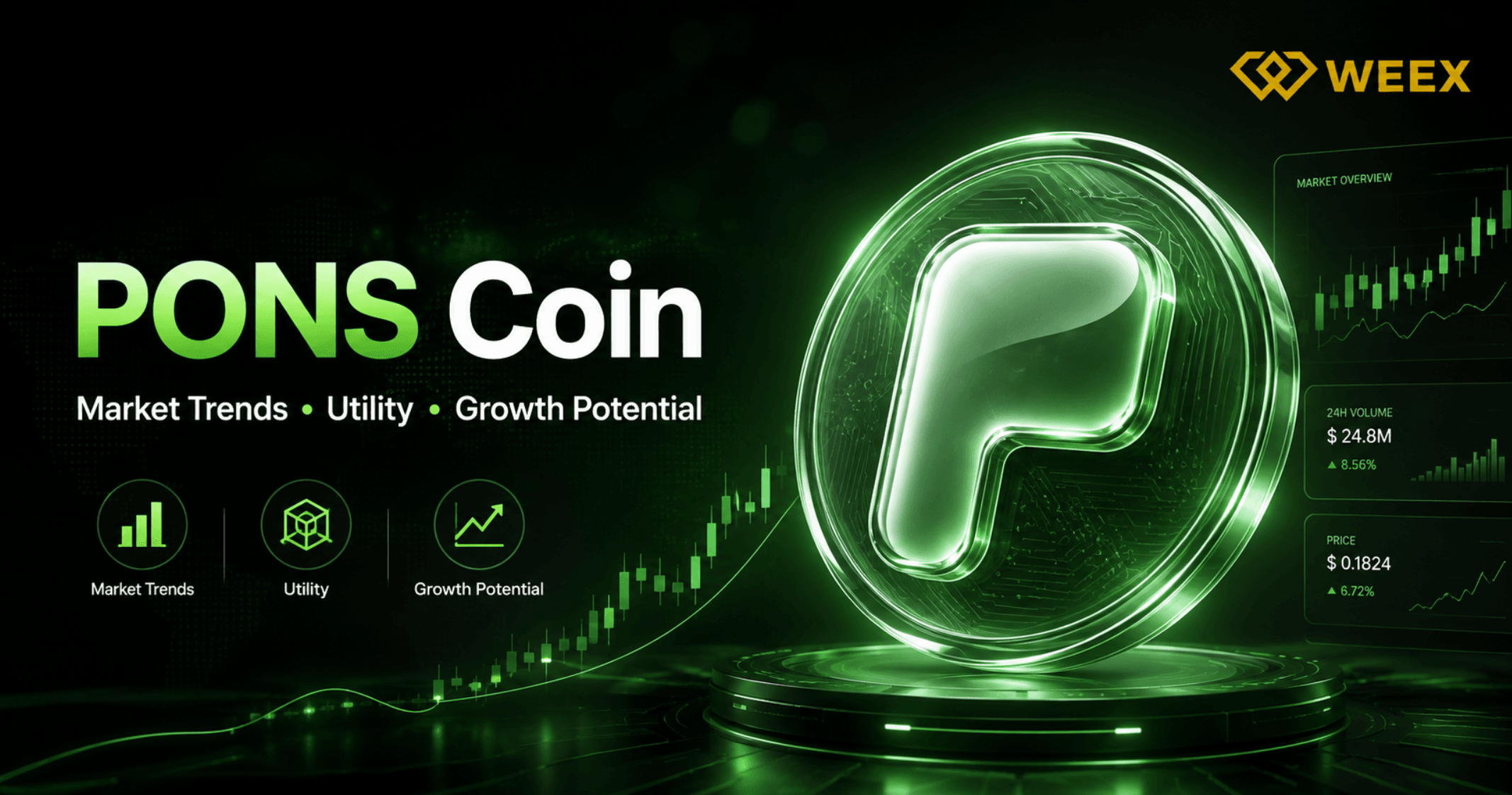
PONS and CASHCAT have become two closely watched tokens in the growing Robinhood Chain ecosystem. While CASHCAT gained early attention through its Meme-driven community narrative, PONS has attracted interest with its Launchpad positioning, ecosystem infrastructure role, and token buyback and burn mechanism.
As Robinhood Chain continues to expand, many users are asking whether PONS could become a key ecosystem token and what factors may influence its future price performance.
This article compares PONS and CASHCAT, explains their different value models, and analyzes PONS price prediction scenarios based on current market data, ecosystem development, and potential risks.
What Is PONS Token?
PONS (Pons Platform) is a Launchpad-focused token within the Robinhood Chain ecosystem. The project aims to provide infrastructure for creating and launching new tokens, connecting developers, communities, and users through a streamlined token deployment platform.
Unlike traditional Meme tokens that mainly rely on community attention and market sentiment, PONS focuses more on ecosystem utility. Its value proposition is linked to the growth of token launches, platform activity, and the broader development of the Robinhood Chain ecosystem.
According to the project’s public information, PONS was launched by RootsFi developer Ozzy (@MEADGod). The project has introduced a fee mechanism designed to support token buybacks and burns, aiming to connect platform activity with long-term token economics.
However, the success of this model depends on actual adoption, user activity, and whether the platform can maintain sustainable ecosystem growth.
PONS vs CASHCAT: Different Growth Models in Robinhood Chain
CASHCAT was one of the early Meme-focused tokens to gain attention in the Robinhood Chain ecosystem. Its growth was largely driven by community engagement, social discussion, and Meme culture.
Meme tokens can attract rapid attention during market cycles, but their long-term performance often depends on whether community interest remains strong.
PONS follows a different path. Instead of focusing primarily on Meme culture, it positions itself as infrastructure that supports new token launches.
| Category | PONS | CASHCAT |
|---|---|---|
| Positioning | Launchpad infrastructure token | Meme token |
| Main value driver | Platform usage and ecosystem growth | Community attention and market sentiment |
| Core narrative | Token creation and ecosystem services | Meme culture and social momentum |
| Long-term factors | Adoption, product development, ecosystem expansion | Community activity and market interest |
The difference between the two reflects two development directions within Robinhood Chain.
CASHCAT represents the attention economy, where community-driven narratives create demand. PONS represents the infrastructure economy, where platforms attempt to capture value from ecosystem growth.
PONS Tokenomics: How Buyback and Burn Mechanisms Affect Value
One reason PONS has attracted market attention is its token economic model.
According to the project’s publicly available information, part of the platform’s fee revenue is designed to support PONS token buybacks and permanent burns. The goal is to create a connection between platform growth and token supply reduction.
In theory, if a Launchpad platform continues to attract projects and users, increased ecosystem activity could strengthen the role of its token economics.
However, token burns alone do not guarantee price appreciation. A reduction in supply only becomes meaningful when there is sufficient market demand.
For PONS, important factors to watch include:
- Whether more projects choose the platform for token launches;
- Whether Robinhood Chain continues attracting users and liquidity;
- Whether platform activity generates sustainable revenue;
- Whether the token maintains healthy liquidity.
A strong token model requires both supply management and real ecosystem demand.
-- Price
PONS Price Prediction: 2026 Market Outlook
According to CoinGecko data, PONS was trading around $0.04758, with a market capitalization of approximately $37 million and 24-hour trading volume of about $11 million at the time of writing. The token had gained around 57.5% over the previous seven days.
PONS remains an early-stage crypto asset, meaning its price can be highly influenced by ecosystem developments, market sentiment, and liquidity conditions.
Based on the current market size and possible ecosystem scenarios, the following price ranges represent potential market outcomes rather than guaranteed targets:
| Timeframe | Possible Price Range | Key Drivers |
|---|---|---|
| Short term (1-3 months) | $0.04 - $0.08 | Trading activity, market attention, new ecosystem launches |
| Medium term (6-12 months) | $0.08 - $0.15 | Launchpad adoption, user growth, ecosystem expansion |
| Long term (1+ year) | Above $0.15 | Whether PONS becomes a major infrastructure layer within Robinhood Chain |
The bullish scenario depends on continued ecosystem growth. If PONS successfully becomes a major Launchpad platform and captures more activity from Robinhood Chain users, the market may assign a higher valuation.
On the other hand, if user interest declines or competing platforms attract developers and liquidity, PONS could face downward pressure.
Risks to Consider Before Investing in PONS
Although PONS has infrastructure-related narratives and a buyback mechanism, investors should also consider potential risks.
| Risk Factor | Explanation |
|---|---|
| Ecosystem Risk | PONS value depends on Robinhood Chain growth and platform adoption |
| Competition Risk | Other Launchpad platforms may compete for users and projects |
| Market Risk | Small-cap crypto assets often experience significant price volatility |
| Liquidity Risk | Lower liquidity can increase price fluctuations during large trades |
| Concentration Risk | Token distribution and large holders can affect market stability |
Crypto markets often move quickly, especially for newer tokens. Strong short-term price performance does not always indicate long-term sustainability.
Investors should evaluate project development, on-chain activity, liquidity conditions, and market trends before making decisions.
Can PONS Become Robinhood Chain’s Leading Ecosystem Token?
PONS and CASHCAT represent two different stages of Robinhood Chain development. CASHCAT demonstrates how Meme culture can quickly attract users and market attention. PONS represents an attempt to build infrastructure that supports broader ecosystem growth.
At the current stage, PONS has become one of the notable tokens in the Robinhood Chain ecosystem, supported by its Launchpad narrative and token economic design. CoinGecko currently categorizes PONS under the Robinhood ecosystem and Launchpad-related categories.
However, becoming a long-term ecosystem leader will depend on whether PONS can transform market attention into real platform usage.
For users following Robinhood Chain, PONS provides an example of how crypto ecosystems may evolve from Meme-driven speculation toward infrastructure-focused development. As always, investors should combine market data, project progress, and risk assessment rather than relying only on short-term price movements.
This content is provided for general informational purposes only and doesn't constitute financial, investment, legal, or tax advice. Any events, rewards, online promotions, or related information mentioned herein should not be considered a recommendation, solicitation, or invitation to purchase, sell, trade, or otherwise deal in any crypto assets. Crypto assets are highly volatile and may result in loss. The availability of WEEX services, products, and related events may vary by region. You are responsible for ensuring that your participation is in accordance with applicable local laws and regulations.
You may also like

PONS After 200% Rally: Overvalued or Still a Growth Story?
CyberLeek Is Trending—but Why Are People Searching for CYBERLINK?

CYBERLINK or CYBERLEEK? Check the Ticker and Chain Before Trading

What Is CyberLeek (CYBERLEEK)? The GTA 6 Leak Token Explained

Why Is CyberLeek Price Falling Today? CYBERLEEK Crash Explained

Who Gets the Next HUMA Tokens? Investors, Team Allocations and the PayFi Unlock Risk
HUMA/USDT Faces an August 26 Token Unlock: Can Existing Liquidity Absorb the New Supply?
DGAI Has Trading Volume but No Reported Circulating Supply—So What Is Its Real Market Cap?
MORTY After Viral Meme Rally: Overvalued or Growth Story?
JazzCash vs Easypaisa for P2P Crypto Trading in Pakistan: Which Should You Use?

What Is XST Coin? Why There Are Multiple Tokens Using the XSolut Name on Coinbase

How to Sell USDT for PKR Safely on WEEX P2P
Why Is Sandisk (SNDK) Stock Up So Much? 2026 Rally Explained
What Is ANSEM (The Black Bull)? The Pump Story, the 60 Percent Wallet and the Risks

What Is ISOR Coin (Iran Strategic Oil Resource)? Facts, Risks and Where It Trades
犇犇 Coin Explained: How Unitree Robot Dog Meme Is Going Viral
Can XST Crypto Reach $0.10? XSolut Price Prediction 2026
What Is NIULAI Crypto? Why the Token and the Film Are Two Completely Different Things
Is Niulai Coin a Good Investment? What the Film Story Cannot Tell You About NIULAI Risk
Niulai Coin Price Prediction: What Happens to Meme Tokens After a Viral Peak on BNB Chain
Niulai Coin Price Surges Over 200% in 24 Hours: What the Viral Film Story Actually Means for NIULAI
How to Buy Niulai Coin: Where to Trade NIULAI and What to Check Before Buying
How Did Trump's $TRUMP Meme Coin Offer VIP Access to the 2026 World Cup Final
How to Buy USAR Coin: Buying Tokenized USA Rare Earth Stock the Right Way
Can TENDIES Coin Recover After the Pullback? Price Outlook Explained
WEEX Labs: Understanding the Renaissance of Established Memecoins
How to Use AI Agents for Crypto Trading: A Beginner’s Guide (2026 Step-by-Step)
WEEX Labs: Is the Chinese Meme Coin Craze Really Now?
What is Mango (MNGO)? Is Mango (MNGO) Worth Buying?
What Is DOGO Memecoin? A Complete Guide
PONS After 200% Rally: Overvalued or Still a Growth Story?
CyberLeek Is Trending—but Why Are People Searching for CYBERLINK?
CYBERLINK or CYBERLEEK? Check the Ticker and Chain Before Trading
What Is CyberLeek (CYBERLEEK)? The GTA 6 Leak Token Explained
Why Is CyberLeek Price Falling Today? CYBERLEEK Crash Explained
Who Gets the Next HUMA Tokens? Investors, Team Allocations and the PayFi Unlock Risk


